Understanding the different types of men's underwear makes buying decisions dramatically simpler. Here's the quick guide. Briefs: minimal fabric, maximum ventilation, best for hot conditions and physical work. Trunks: the all-rounder, sits above mid-thigh, works across most situations. Boxer briefs: full leg coverage, good for active and long-day use. Boxers: loose and breathable, low support, better for casual or sleep use. Long-leg styles: extended coverage for cold conditions and anti-chafe needs. That's the full map of the different types of men's underwear in practical terms.
What I think makes navigating the different types of men's underwear easier is knowing your primary use case. If you're mostly sedentary, the trunk or boxer brief works well. If you're physically active, the trunk or brief is usually better. If you're dealing with cold conditions regularly, the long-leg style earns its place. Matching the type to the dominant demand of your lifestyle shortcuts the trial-and-error process significantly.
A mate who'd never thought deliberately about the different types of men's underwear came to me after a particularly uncomfortable month and asked what he was doing wrong. He was wearing boxers to the gym, boxer briefs on hot days, and a brief cut that was the wrong size for formal occasions. All 3 were wrong cuts for their contexts. We sorted his drawer into the right types for the right situations and he came back saying it had fixed what he thought was just a general underwear problem.
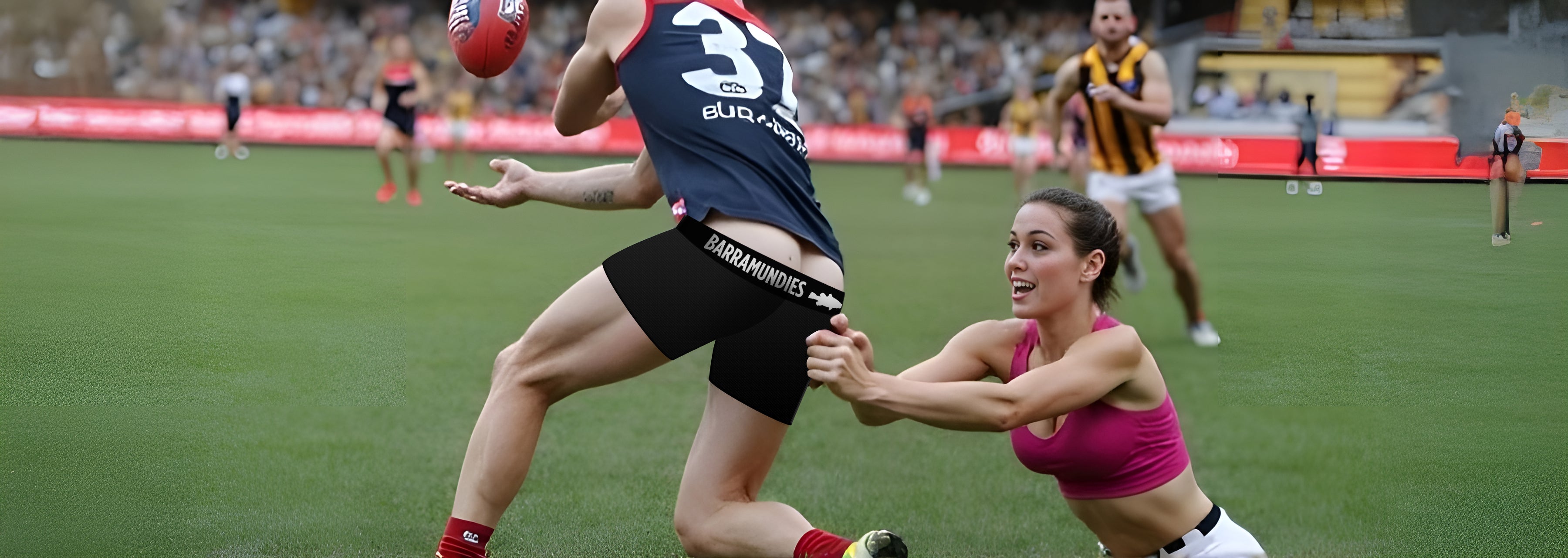
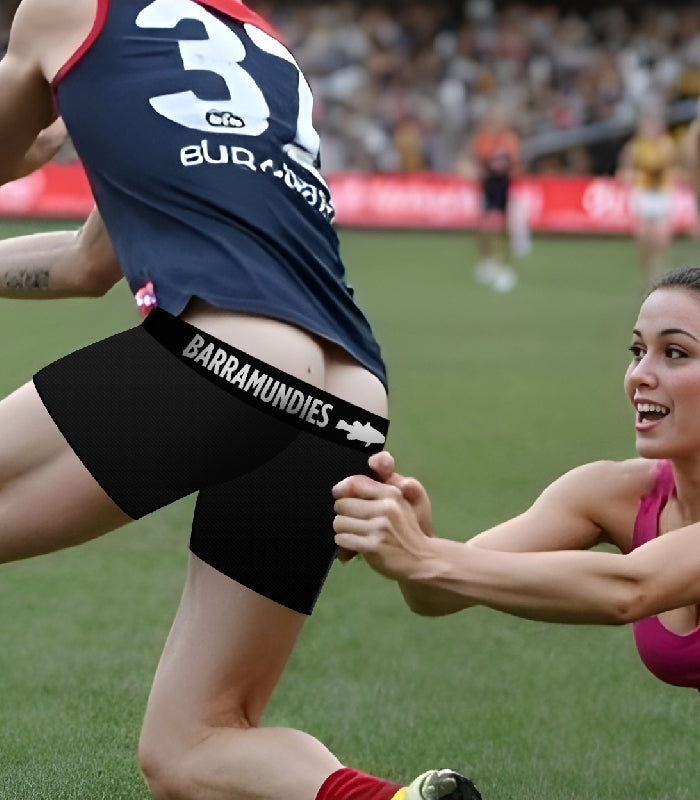
From my experience, having a couple of different types of men's underwear in your rotation covers almost every situation better than any single cut does. Barramundies makes quality versions of the main options, which means you can build a proper rotation without compromising on quality in any of the cuts you choose. Know your types, buy quality in each, and the underwear question essentially answers itself.